Why Choose
Culture: The Interconnection of Traditions and Modernity
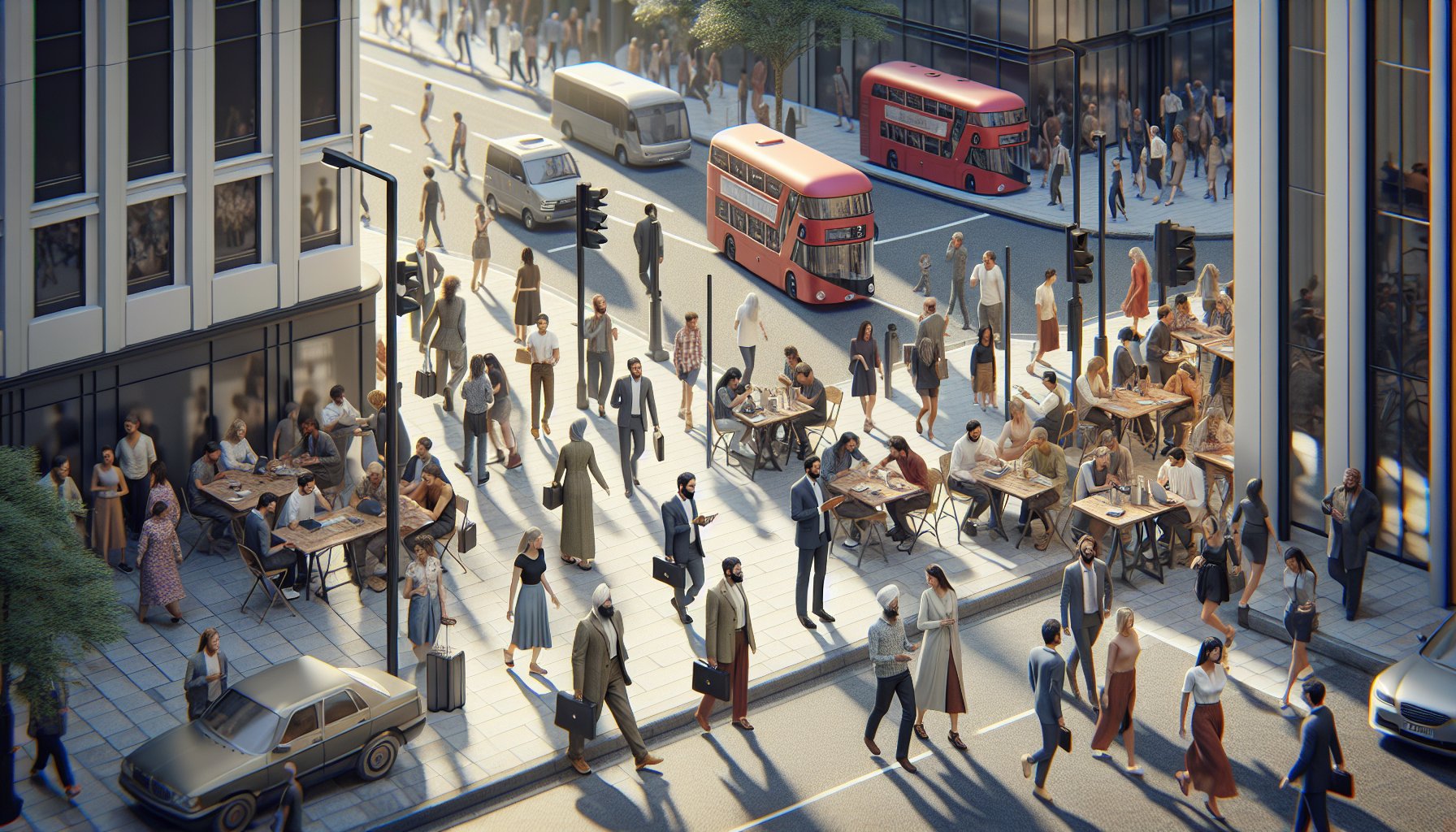
Culture is a multifaceted phenomenon that encompasses all aspects of societal life. It includes language, art, customs, traditions, and values that are passed down from generation to generation. Culture shapes the identity of a people and their uniqueness, helping them to exist in a world full of diversity and change. Historically, culture has developed in response to social, economic, and environmental conditions. In each era and in each territory, unique cultural traditions have formed, influencing the way of life of people. For example, in agrarian societies, rituals related to agriculture played a significant role, while in industrial societies, the focus shifted to technological achievements and mass culture. The modern world faces new challenges that require a rethinking of cultural norms and traditions. Globalization, migration, and digitalization lead to the blending of cultures, creating new forms of self-expression. For instance, folklore can merge with contemporary musical genres, giving rise to unique styles and genres. This not only enriches culture but also creates new opportunities for dialogue among different peoples. However, it is essential to remember the necessity of preserving cultural heritage. The loss of traditions can lead to the destruction of cultural identity and a spiritual connection to the past. In this context, educational programs play an important role in helping the younger generation understand and appreciate their heritage, as well as develop critical thinking regarding modern cultural influences. Culture is not a static structure but a dynamic process that is constantly changing. The interaction of traditions and modernity creates a unique fabric of human experience, in which everyone has the opportunity to find their place. It is important to support this interaction, value diversity, and strive for harmony between the old and the new so that culture can continue to develop and enrich our society.
More